
QUICK ANSWERSore muscles after gardening are usually just delayed onset muscle soreness (DOMS) from repetitive bending, kneeling, and lifting your body isn't used to. Most gardening aches and pains ease up on their own within a day or two, and you can speed that up with proper warm-ups, better posture, and a natural muscle relief cream applied to sore spots before and after you're in the yard. |
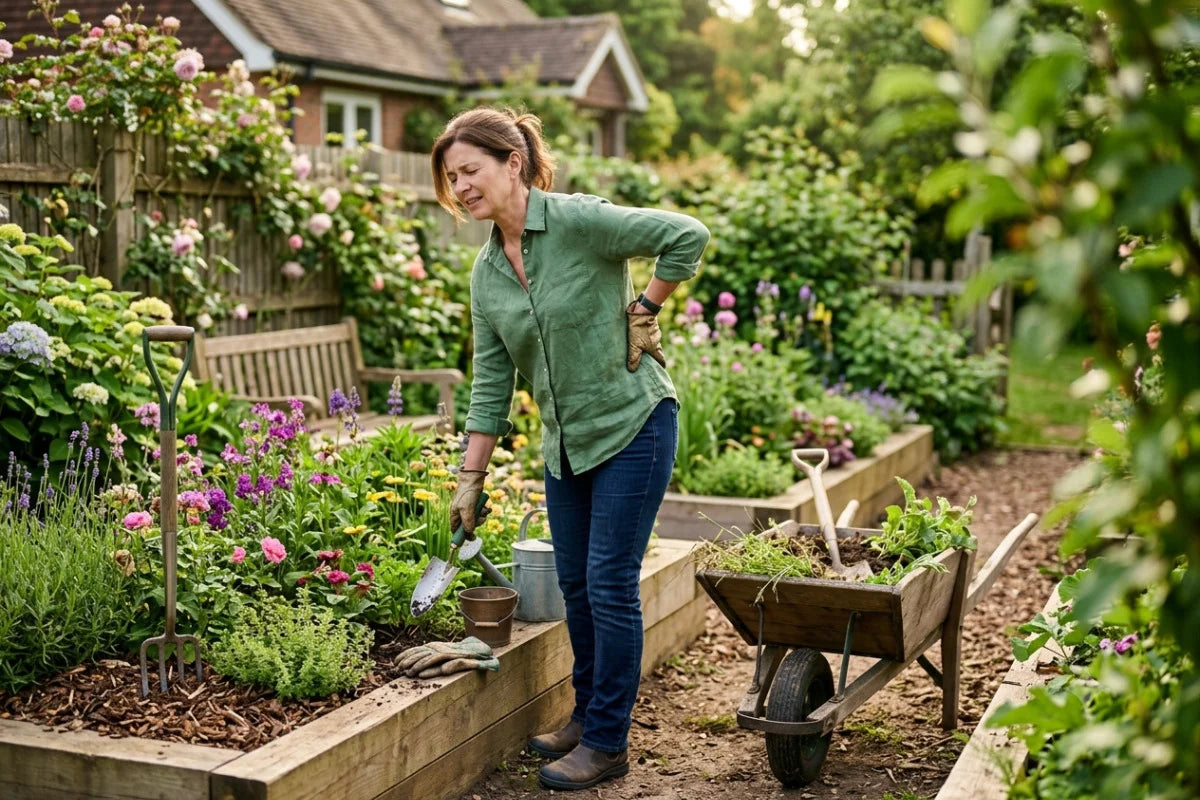
Spring hits and suddenly you're back on your knees for hours, pulling weeds, hauling bags of soil, and reaching for branches you have no business reaching for. Then the next morning you can barely bend to tie your shoes. If you've ever asked yourself why a “relaxing” hobby leaves you this stiff, you're not alone. Gardening pain relief is one of the most searched topics every spring, right alongside seed catalogs and frost dates, and it's exactly why Nature's Willow exists: natural relief for the aches your everyday activities leave behind.
Here's what's actually causing it, how to prevent it next season, and what to do about the ache you're already sitting with.
Why Gardening Leaves You With Aches and Pains
Gardening doesn't feel like a workout, but your body treats it like one. Digging, weeding, and hauling engage muscle groups (glutes, forearms, lower back, shoulders) that most people don't use the rest of the week. That mismatch between “new movement” and “muscles not conditioned for it” is what causes delayed onset muscle soreness, or DOMS: those tiny, harmless micro-tears in muscle fiber that show up as stiffness twelve to twenty-four hours later, not right away.
A few specific culprits show up constantly:
- Repetitive bending and kneeling: stresses your lower back and knees far more than people expect.
- Lifting bags of soil or mulch incorrectly: lifting with your back instead of your legs is the single biggest cause of back strain in the garden.
- Gripping tools for extended periods: leads to hand, wrist, and forearm fatigue that can linger for days.
- Sun and heat exposure: dehydration makes normal muscle soreness feel more intense than it actually is.
- The “weekend gardening” pattern: going all-out for one long session after a sedentary week is the fastest way to guarantee you'll be sore Monday morning.
Where Gardeners Feel It Most
Back pain from gardening is the most common complaint, usually from prolonged bending over beds or improper lifting technique. Close behind is gardening knee pain, since so much of the work (weeding, planting, mulching) happens at ground level with your knees bearing the load. Hands and wrists take a hit too, especially from repetitive gripping of shears, trowels, and hoses. None of this means you're doing something wrong. It means your body is adjusting to a physical activity it hasn't done in a while.
RELATED READIf back pain is your main issue, we've got a dedicated guide coming on this exact problem: Back Pain After Gardening: Causes, Fixes, and When to Worry. It's a deeper breakdown of lower back strain specifically, including lifting form and the best stretches for a gardener's back. |
How to Prevent Sore Muscles Before You Even Start
Prevention beats treatment every time, and it takes less effort than you'd think.
- Warm up first. Five minutes of light movement (a short walk, some gentle stretching for your back, hamstrings, and shoulders) prepares muscles for the bending and pulling ahead and meaningfully lowers injury risk.
- Pace yourself. Break a big job into shorter sessions instead of one marathon weekend gardening push. Your body adapts to repeated moderate sessions far better than one long one.
- Mind your lifting mechanics. Bend at the knees, keep the load close to your body, and let your legs, not your lower back, do the work.
- Switch positions often. Alternate kneeling, sitting on a garden stool, and standing tasks so no single joint takes the full load for hours.
- Stay hydrated. Dehydration and heat exposure amplify soreness and cramping, especially on warm afternoons.
- Use the right tools. A garden kneeler pad, long-handled tools that reduce bending, and a cart for hauling all cut down on strain before it starts.
Fast Relief for Gardening Aches and Pains
If the soreness has already set in, here's what actually helps:
- Heat or cold, depending on the pain. Cold packs calm inflammation right after a hard session; heat loosens stiff muscles the next day. Ten to twenty minutes at a time, always with a barrier between the pack and your skin.
- An Epsom salt soak for widespread soreness: the magnesium is a classic go-to for post-yard-work aches.
- Light movement, not full rest. Gentle activity the next day (a walk, easy stretching) actually helps sore muscles recover faster than staying still.
- Massage or self-massage on tight areas: even a few minutes working out tension in your lower back or shoulders reduces stiffness and speeds recovery.
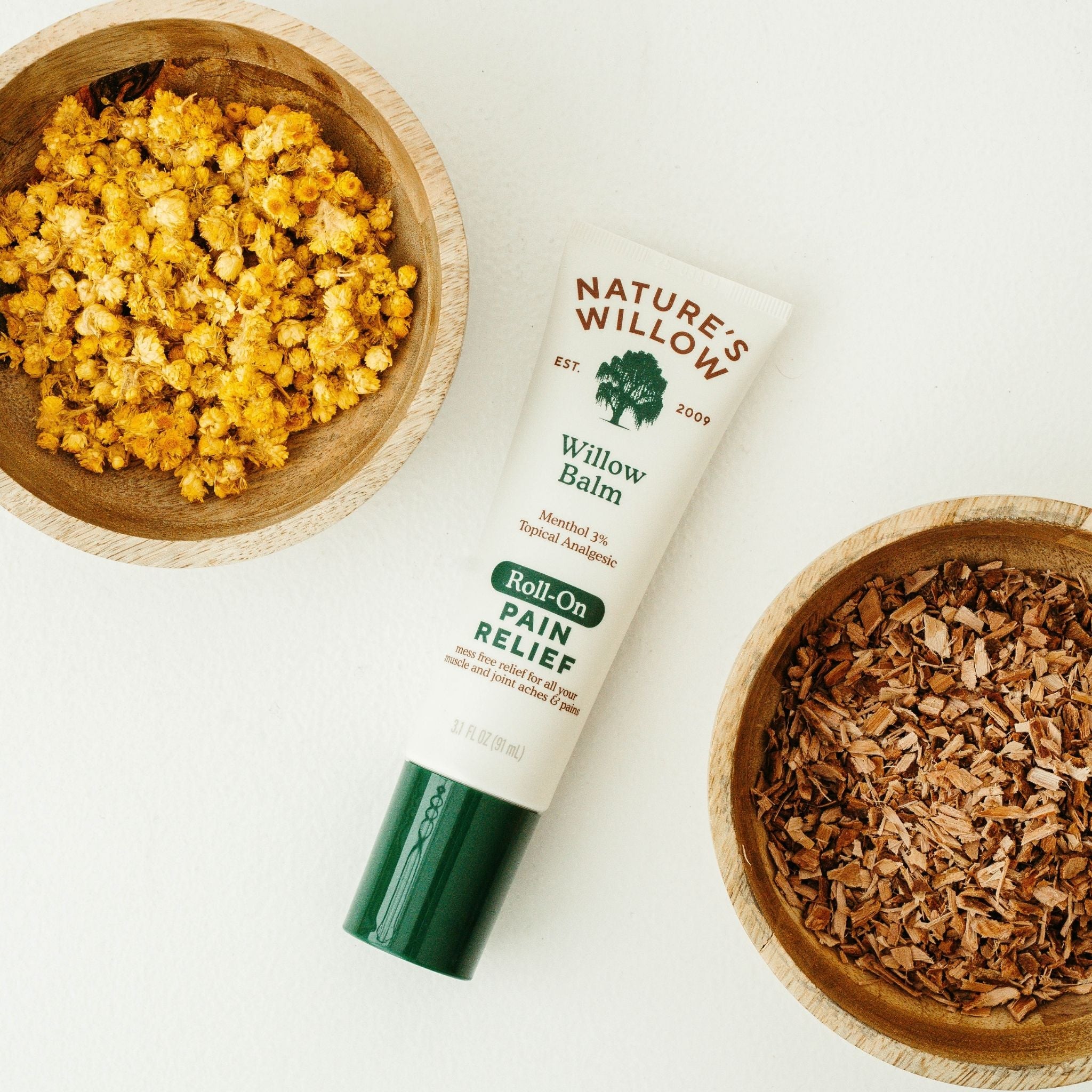
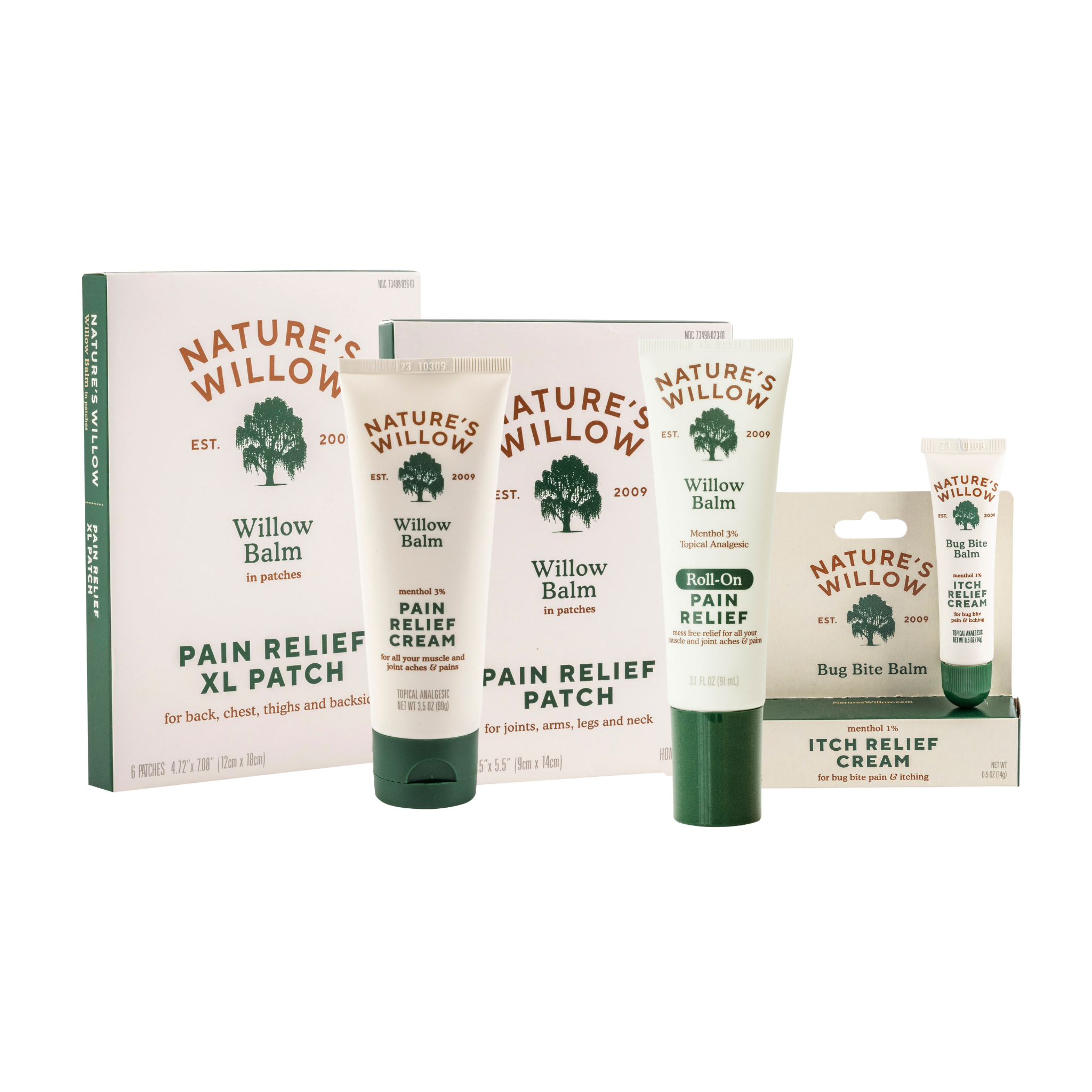
TRY THISA natural muscle relief cream, applied directly to sore spots before and after gardening. This is where a lot of people skip a step: treating the ache after the fact instead of protecting the muscle before it's even strained. Nature's Willow's roll-on pain relief is built for exactly this: willow bark-based, made for the same muscle and joint soreness you'd treat with an ice pack or massage, without synthetic ingredients on your skin after a day of digging in the dirt. If you want the full breakdown of how willow bark works on sore muscles, see how it works. |
When It's More Than Just Soreness
Normal DOMS peaks around 24-48 hours and improves from there. If the pain is sharp rather than dull, localized to a joint rather than a muscle, or gets worse instead of better after a few days, that's your cue to rest fully and check in with a doctor or physical therapist rather than pushing through it.
Gardening Essentials That Actually Save Your Body
A little prep goes a long way toward preventing the aches in the first place. Beyond seeds and soil, these are the essentials worth having on hand every season:
For your plants
- Quality potting mix or soil amendments suited to what you're growing
- A pH testing kit to check soil acidity before you plant
- Mulch to conserve moisture and cut down on weeding time
- A garden sprayer for even, efficient fertilizer or pesticide application
For the physical work
- Pruning shears for trimming, shaping, and harvesting
- A hand trowel for small planting jobs
- A garden fork or spade for turning soil
- A long-handled hoe to cut down on repetitive bending
For your body
- Gloves, to protect your hands from blisters and strain
- A garden kneeler pad or cushion, one of the simplest ways to reduce gardening knee pain
- Sunscreen (SPF 30+) and a hat for sun protection
- A natural muscle and joint relief can be used for before-and-after use, so soreness doesn't sideline your next gardening day
Gardening should leave you satisfied, not sidelined. A little planning around how you move and how you recover is the difference between enjoying the season and dreading every session.