

Quick AnswerBack pain from standing all day usually eases with small, doable steps: gentle movement instead of collapsing onto the couch, elevating tired or swollen legs, stretching the calves and hips, and using warmth for general stiffness or a wrapped cold pack for one sore, swollen spot. Hydration, a real meal, and enough sleep matter more than people expect. During future shifts, better footwear, short movement breaks, and posture changes help prevent the same pain from building back up. Most soreness after a long shift is muscle fatigue, not damage, but some symptoms need a doctor's attention. |
After a long shift, even the walk from the car to the front door can feel like extra work. Your feet throb, your calves feel tight, and your lower back has that dull, heavy ache that makes sitting down feel urgent. If you have spent 8, 10, or 12 hours on your feet as a nurse, teacher, server, hairstylist, warehouse worker, pharmacist, security guard, or retail employee, this is familiar.
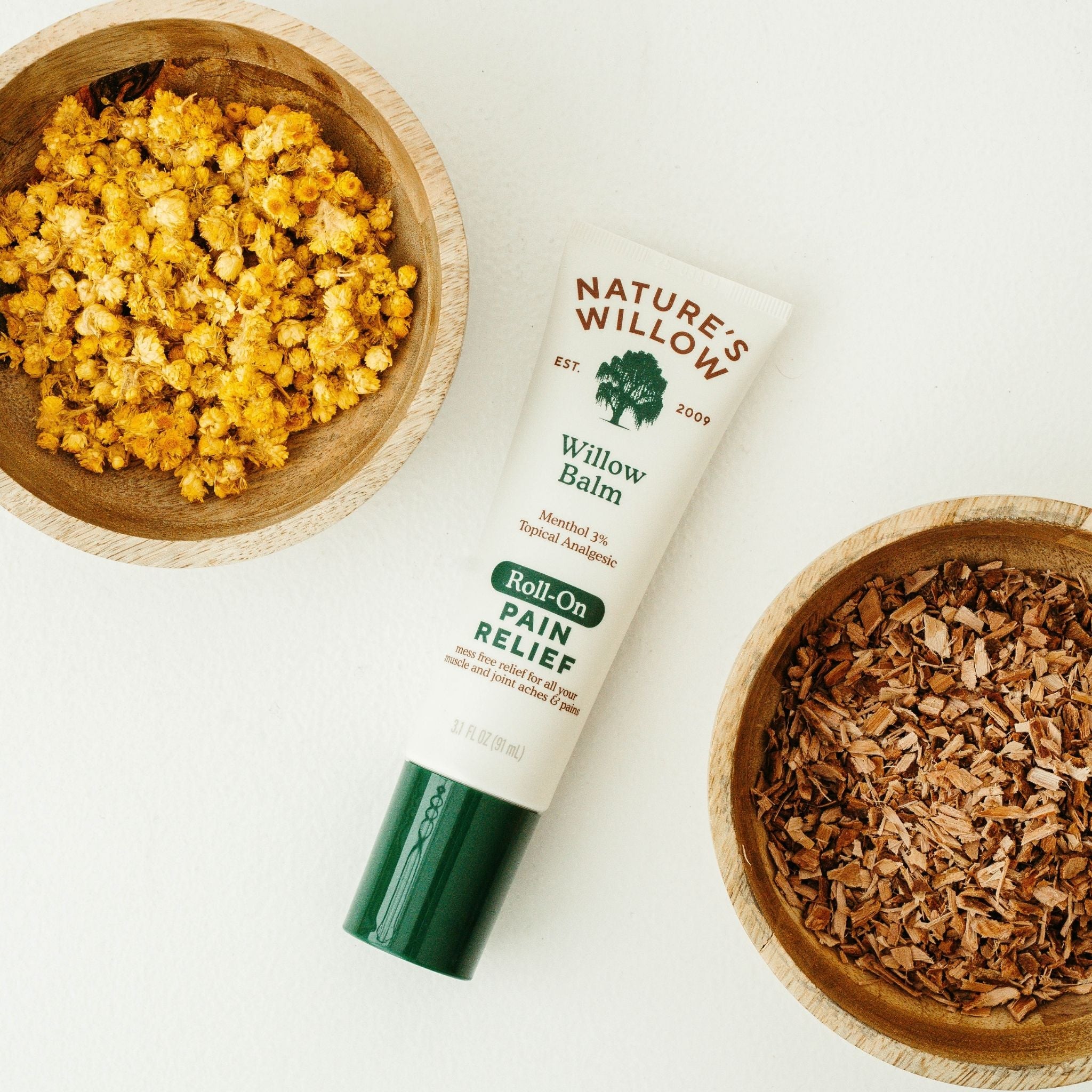
Pain after a demanding shift does not mean you are weak. Your muscles and joints have been working for hours, and they are asking for recovery. Along with gentle movement, stretching, and rest, Nature’s Willow Pain Relief Cream can be applied to especially sore areas as part of your post-shift routine.
Why Do Your Feet, Legs, and Lower Back Hurt After Standing All Day?
Standing does not look like hard work, but your body treats it that way when it goes on for hours without a break. Several things happen at once, and they are connected.
Standing still tires muscles differently from walking
When you walk, your calf muscles repeatedly squeeze and release, a motion that helps push blood back up toward your heart, sometimes called the calf muscle pump. When you stand still, those muscles barely move and stay under low-level tension for hours instead of working in short bursts. This is a big reason standing still often feels more tiring than walking the same amount of time.
Hard floors increase pressure and fatigue
Concrete, tile, and other hard flooring do not absorb impact the way natural ground does. Every hour on a hard surface sends more pressure back up through your feet, knees, and lower back.
Footwear can change how the body handles load
Shoes that no longer support your arch or cushion your heel force your feet, knees, and lower back to absorb more shock with every step. Worn-out soles or shoes that do not fit your foot can shift how weight moves through your body during a shift.
Fluid can collect in the feet and lower legs
Standing still for a long time can make it harder for blood and fluid to move back up from the legs, since gravity and a resting calf pump are working against each other. The Canadian Centre for Occupational Health and Safety notes the same pattern of pooling when standing isn't broken up by walking.
Tight calves and hips can add to discomfort
Hours of limited movement can leave the calves, hips, and front of the thighs feeling stiff and shortened. Tight hip flexors can pull on the lower back and change how the pelvis sits, which may add to lower-back discomfort.
Bending, lifting, and reaching place extra stress on the back
For nurses, warehouse staff, and many other workers, the shift includes bending over beds, lifting boxes, reaching for supplies, and repositioning patients or products. Mayo Clinic Health System explains that these repeated movements load the lower back, especially on top of hours of standing fatigue.
Standing does not automatically cause back pain, and back pain does not always start in the feet. These areas can influence each other, but pain can come from many different sources, including old injuries, disc issues, or conditions unrelated to standing at all.
What to Do When You Get Home After a Long Shift
The instinct after a hard shift is to drop onto the couch and not move again. A few gentle steps first can help your body settle better than collapsing right away.
Change out of your work shoes for something soft and supportive, or go barefoot on a comfortable surface.
Keep moving gently for a few minutes. A short, slow walk keeps blood moving instead of letting it pool in your lower legs.
Elevate your legs above heart level for a while to help reduce the heavy, swollen feeling in your calves and feet.
Use heat or cold thoughtfully: warmth for general stiffness, a wrapped cold pack for one tender or swollen spot.
Try gentle massage. Rolling a ball under your foot or lightly kneading your calves can help tired muscles feel less tight.
Hydrate, especially after shifts in warehouses, kitchens, or hot classrooms.
Eat a balanced meal or snack. Muscles need fuel to recover, not just rest.
Protect your sleep, since a lot of muscle recovery happens overnight.
Complete bed rest is usually not the best response to ordinary muscle soreness from standing. Gentle movement tends to help more than total stillness. That said, if a movement causes sharp, shooting, or clearly worsening pain, stop and avoid repeating it.
A 20-Minute Post-Shift Recovery Routine
This routine is built for someone who is tired and does not want a long workout. It is meant to be realistic, not perfect.
Minutes 0–3: Change shoes and keep gently moving. Take off your work shoes and put on something soft. Walk slowly around your home for a minute or two. This keeps your calf muscles lightly active, which supports blood flow back up from your lower legs.
Minutes 3–8: Elevate your feet and legs. Lie down and prop your legs on pillows or the armrest so your feet sit above your heart. There is no single "correct" height that is medically required; the goal is simply getting your legs higher than your chest for several minutes.
Minutes 8–13: Loosen the calves, hips, and lower back. Move gently through a few of the stretches below, slow and controlled.
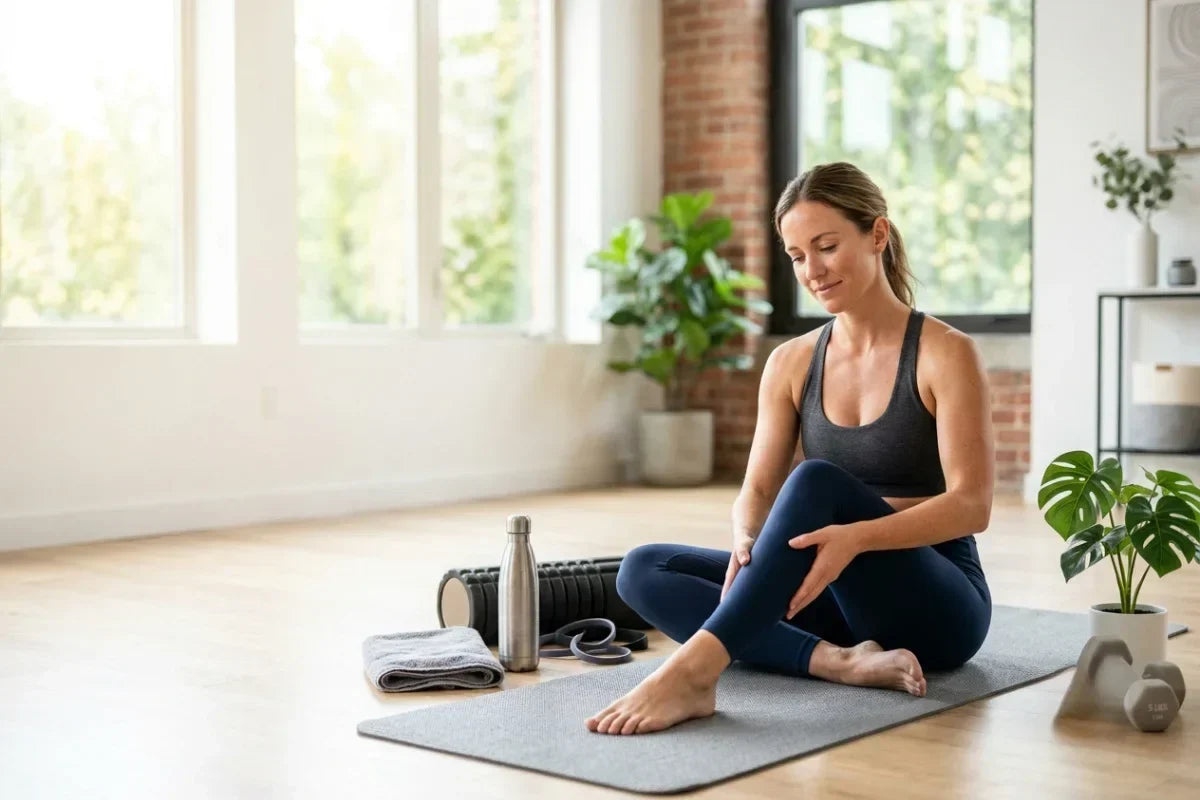
Minutes 13–18: Massage tired areas or apply topical comfort. Roll your bare foot over a ball for a minute on each side, and gently knead your calves. If you want, apply a topical pain relief product to specific sore spots. Nature's Willow Pain Relief Cream, made with white willow bark and helichrysum plus a cooling 3% menthol, is one option some people use as part of this step, one small piece of a recovery routine, not a stand-in for rest, movement, or medical care. This same gentle approach works well after sore muscles from a workout, not just a long shift. Avoid massaging directly over any area that is unusually red, hot, swollen, or painful.
Minutes 18–20: Hydrate and prepare for recovery. Drink water, have a snack or meal if you have not eaten, and start winding down for sleep. Recovery continues while you rest overnight, not just in these twenty minutes.
Heat or Ice After Standing All Day?
Heat and cold do different jobs, and neither one is right for every situation.
Warmth tends to feel better for general muscle tightness, overall stiffness, and an aching lower back that has been sore for a while. Heat increases blood flow to the area and can help muscles relax.
A wrapped cold pack may be more suitable for one specific area that feels irritated, tender, or swollen. Cold reduces blood flow to a local area, which can calm swelling and dull sharp discomfort.
A few safety points matter:
- Never place extreme heat or ice directly on bare skin. Wrap it in a cloth or towel first.
- Limit each session to about 15 to 20 minutes, and check your skin regularly for irritation.
- Do not use a topical pain relief cream at the same time as a heating pad or under a tight bandage, since combining heat with a topical product can increase the chance of skin irritation.
- If you have diabetes, poor circulation, reduced skin sensation, or another condition that affects how you feel temperature, talk to a healthcare professional before using heat or cold regularly.
Heat and cold can ease discomfort, but they do not fix whatever is causing the underlying pain. If pain keeps coming back, that is a sign to look deeper, not just to keep reaching for a heating pad.
How to Reduce Pain After Your Next Shift
Recovery matters, but preventing pain from building up in the first place makes the biggest difference over time.
- Wear properly fitting, supportive footwear that matches the shape of your foot, and replace shoes once cushioning wears down, even if they still look fine.
- Rotate between two suitable pairs where practical, and consider supportive insoles on hard floors.
- Avoid locking your knees while standing; a slight bend keeps blood moving better than a straight, locked leg, and matters even more if you already deal with knee discomfort.
- Shift your weight regularly and take short movement breaks whenever your schedule allows.
- Use a low footrest where appropriate, alternating which foot rests on it, and alternate sitting, standing, and walking where possible.
- Use anti-fatigue mats on hard floors where available, and keep frequently used items within easy reach.
- Use safe lifting and patient-handling methods, and lifting equipment where available.
- Consider compression socks if your legs tend to feel heavy or swollen by the end of a shift.
Compression socks are not a universal fix. NIOSH research reviews have listed compression stockings among the interventions used to reduce discomfort from prolonged standing, alongside floor mats, shoe inserts, and sit-stand options. Still, they are not right for everyone. People with certain circulation problems should talk to a healthcare professional before wearing them regularly.
What Type of Pain Are You Feeling?
Similar symptoms can have different causes. This table is meant to help you think through what you are noticing, not to replace a proper diagnosis.
|
What you notice |
Possible contributor |
What to consider |
|
General aching in both feet |
Hours of standing, worn footwear, hard flooring |
Supportive shoes, anti-fatigue mats, foot elevation |
|
Heel or arch pain |
Reduced arch support, repetitive impact |
Proper footwear, gradual rest; see a doctor if pain persists |
|
Tight calves |
Static standing, limited calf muscle movement |
Calf stretches, short walking breaks |
|
Heavy or swollen legs, both sides |
Fluid pooling from standing still |
Leg elevation, movement breaks, compression socks |
|
Dull lower-back ache |
Standing fatigue, tight hips, repeated bending |
Stretching, posture changes, movement breaks |
|
Sharp back pain |
Possible strain or other spinal issue |
Medical evaluation, especially if it does not improve |
|
Pain shooting down one leg |
Possible nerve involvement |
Medical evaluation |
|
Numbness or weakness |
Possible nerve involvement |
Prompt medical evaluation |
|
One leg red, warm, and suddenly swollen |
Possible vein or circulation issue |
Seek medical care promptly |
When to Seek Medical Help
Most soreness after a long shift is ordinary muscle fatigue that eases with rest, movement, and time. Mayo Clinic notes that some symptoms are different and deserve prompt medical attention:
- Severe or rapidly worsening pain
- Pain following a fall, accident, or lifting injury
- New numbness or weakness in one or both legs
- Pain that shoots down one or both legs
- Difficulty walking or bearing weight
- Loss of bladder or bowel control
- Numbness around the groin or inner thighs
- Fever along with back pain
- Unexplained weight loss with ongoing pain
- A foot or leg that turns red, feels hot, or suddenly swells
- Significant swelling in only one leg
- Chest pain or shortness of breath together with leg swelling
- Pain that repeatedly disrupts sleep, work, or normal movement
- Pain that does not improve, or keeps coming back
These symptoms can point to conditions like nerve compression, blood clots, or spinal issues that need proper medical assessment. This guide cannot diagnose those conditions, and it is not meant to. If something feels off and does not match ordinary end-of-shift soreness, it is worth getting checked.
Conclusion
Recovering from a day spent on your feet does not need to be complicated. Gentle movement, leg elevation, stretching, warmth or a wrapped cold pack when appropriate, and supportive footwear cover most of what helps with ordinary back pain from standing all day. Staying active and shifting positions during future shifts helps prevent the same soreness from building back up shift after shift. If pain is severe, spreading, or paired with numbness, swelling in one leg, or other unusual symptoms, a proper medical assessment matters more than any home remedy.