
QUICK ANSWERNatural arthritis pain relief works best as a daily routine, not a one-time fix. Gentle morning movement for stiff hands, low-impact activity and strengthening for knees, and controlled heat or cold for hip pain all add up over time. Topical relief, joint-friendly habits, and knowing when to see a doctor round out a realistic day-to-day plan. |
If your hands ache before you've even had your coffee, or your knees complain every time you take the stairs, you already know that arthritis doesn't wait for a convenient time. It shows up in the small moments: opening a jar, kneeling to garden, or standing up from a chair. At Nature’s Willow, we believe everyday pain relief should fit naturally into these moments, not make your routine more complicated.
This guide isn't another list of remedies you've already tried. It's a practical, honest look at what may help, hour by hour and joint by joint.
First, a Quick Note on What Kind of Arthritis You're Dealing With
Not all arthritis behaves the same way, and that matters for how you manage it day to day.
- Osteoarthritis (OA) is a degenerative joint condition in which cartilage and other joint tissues gradually change and break down over time. It's the most common type in hands, knees, and hips, and it usually responds well to movement, strengthening, and weight management.
- Rheumatoid arthritis (RA) is autoimmune. Natural strategies can help you feel better day to day, but they don't replace the medication that controls the underlying disease.
- Gout causes sudden, intense joint pain, often in the big toe, and needs its own dietary and medical approach.
- Unexplained joint pain that hasn't been diagnosed deserves a doctor's visit before you build a home routine around it.
According to the CDC, staying active and maintaining a healthy weight are two of the most consistently supported ways to manage arthritis pain and protect joint function over time. Keep that in mind as you read on. The tips below work best for OA-type joint pain and as a support system alongside RA treatment, not as a replacement for it.
What Has Stronger Evidence, and What's Still Uncertain
|
Approach |
Most useful for |
Evidence position |
Important caution |
|
Low-impact exercise |
Function, mobility, long-term pain management |
Stronger support |
Start gradually |
|
Strengthening |
Supporting knees and hips |
Stronger support |
Use appropriate technique |
|
Heat |
Stiffness and tight muscles |
Temporary symptom relief |
Avoid excessive temperature |
|
Cold |
Swelling and post-activity pain |
Temporary symptom relief |
Protect the skin |
|
Topical menthol products |
Temporary, localized pain relief |
Depends on the specific product and label |
Avoid broken or irritated skin |
|
Turmeric supplements |
Possible complementary support |
Mixed or insufficient evidence |
May interact with medications |
|
Willow bark |
Possible complementary support |
Limited evidence |
Salicylate sensitivity and interactions apply |
Morning Tips for Sore, Stiff Hands
Hands are often the worst in the morning. The stiffness that greets you when you wake up isn't just discomfort; it's a signal that your joints need gentle warming up before you ask them to work.
- Run your hands under warm water for two to three minutes before doing anything that needs grip strength.
- Make loose fists slowly, ten times, then spread your fingers wide. This wakes up circulation without forcing the joint.
- Touch your thumb to each fingertip, then slowly open your hand again. Stop if the movement causes sharp pain. A hand therapist can recommend exercises suited to the specific joints affected.
- Once your hands are dry, apply a topical pain relief product according to its label directions.
- Avoid jumping straight into fine motor tasks like buttoning shirts or opening jars first thing. Give your hands five minutes of movement first.
Evidence note: The Arthritis Foundation notes that regular hand exercises can improve grip strength and reduce stiffness over time, even though the improvement is gradual rather than immediate.
Knee Pain: What to Do Before, During, and After Activity
Knees carry your body weight through every step, so they tend to flare with activity rather than rest. That means your daily routine needs to work with movement, not around it.
Before activity
- Do a two-minute warm-up: marching in place or gentle seated knee extensions.
- Apply a warming topical if your knee feels tight and stiff rather than swollen.
During activity
- Choose low-impact options. Walking on flat ground, cycling, and swimming put far less stress on the knee than running or repeated stair climbing.
- Pace yourself. Short, frequent movement breaks beat one long session that leaves you sore for two days.
After activity
- If the knee looks or feels swollen, use a cold pack for 15 to 20 minutes, wrapped in a towel rather than applied directly to the skin.
- If it's just achy and tight without visible swelling, heat usually feels better.
For a deeper dive into knee-specific exercises and support options, see our full guide on natural knee pain relief.
Hip Pain: The Tips People Usually Miss
Hip arthritis often gets confused with lower back pain because the symptoms overlap. Groin pain, stiffness getting out of a car, or a dull ache after sitting too long are common signs.
- Avoid deep, low seating like soft couches. Choose chairs with firmer support and a higher seat.
- Stretch your hip flexors daily, especially if you sit for long stretches at a desk.
- Sleep with a pillow between your knees if you sleep on your side. This keeps the hip joint in a neutral position overnight.
- Warm up before walking, even if it's just a short shuffle around the room for a minute.
If you're on your feet all day for work and dealing with hip or lower back pain on top of it, our article on back pain from standing all day is worth a read. The two are more connected than most people realize, since hip stiffness changes how your lower back absorbs load.
Heat or Cold? A Simple Rule to Stop Guessing
This trips up almost everyone.
|
Use HEAT when |
Use COLD when |
|
|
|
Safety tip: Wrap heat or cold packs in a towel, avoid applying them to numb or damaged skin, and stop if the skin becomes painful or unusually discoloured. |
Heat is commonly used to relax tight muscles and stiff joints, while cold may help with acute pain and swelling. Neither one treats the arthritis itself, but both make daily life more manageable.
Where a Topical Fits Into Your Routine
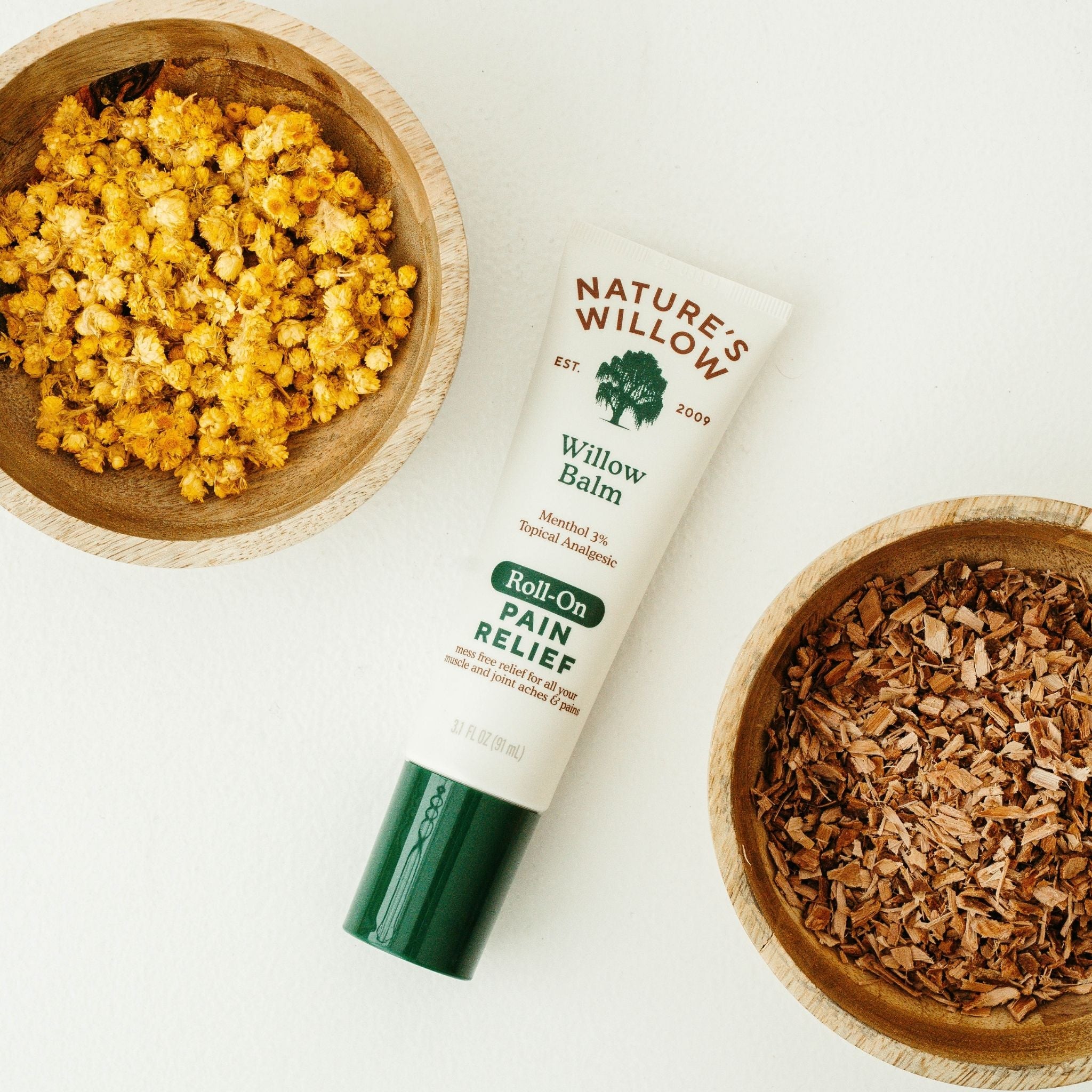
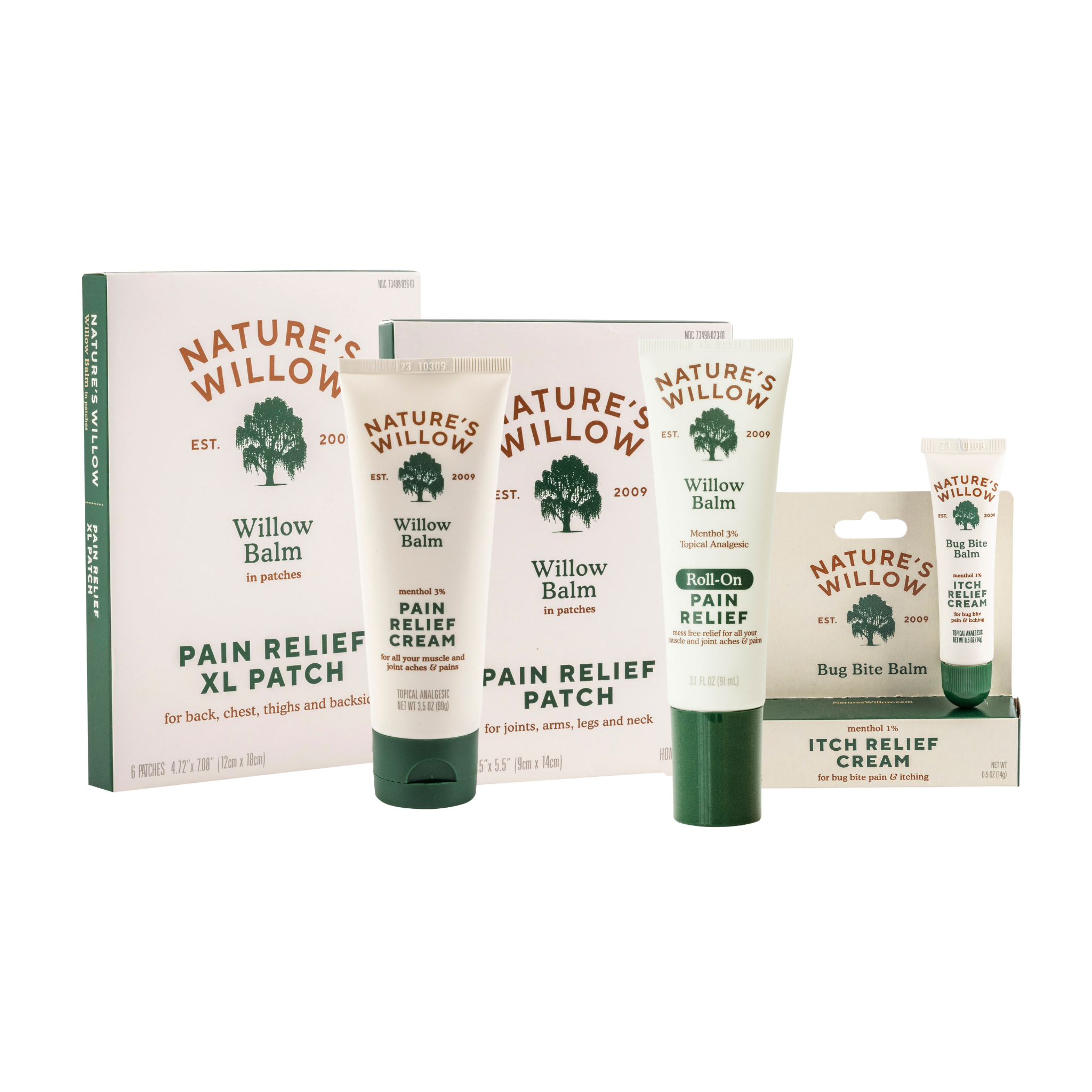
Natural Pain Relief CreamA topical pain reliever can be useful for temporary, localized relief in accessible joints such as the hands and knees. Our Natural Pain Relief Cream contains menthol, which creates a cooling sensation, alongside botanical ingredients including white willow bark, helichrysum, and eucalyptus. Apply only as directed on the product label, and avoid broken or irritated skin. If you'd rather not rub in a cream, especially with sore hand joints, the pain relief collection also includes roll-on and patch formats for people who prefer a less hands-on application. |
Keep Moving Gently When It's Safe
The instinct when a joint hurts is to rest it completely. For most OA-type joint pain, that usually backfires, since joints that don't move get stiffer, and muscles supporting them get weaker, which puts more pressure back on the joint.
- On a difficult day, reduce the duration and intensity rather than forcing a full workout. A few minutes of comfortable range-of-motion movement may be enough.
- Water-based exercise is one of the gentlest ways to stay active, since the water supports your body weight.
- Strength training around the knee and hip, even light resistance band work, helps the muscles take pressure off the joint itself.
- Rest an acutely swollen or injured joint, and seek advice when movement causes severe or worsening pain. During an active flare, especially with RA, balancing activity with rest is appropriate rather than pushing through.
Food and Lifestyle Habits That Add Up
No single food fixes arthritis, but a few consistent habits do make a difference over weeks and months.
Maintain a steady weight. Extra weight adds direct load to knees and hips with every step.
Stay adequately hydrated to support general health and physical activity, particularly in hot weather or during exercise.
Prioritize sleep. Poor sleep lowers pain tolerance and increases next-day stiffness.
Build most meals around vegetables, fruit, whole grains, beans, nuts, and appropriate protein sources. Limiting heavily processed foods and excessive added sugar can support overall health, although no individual food has been proven to eliminate arthritis inflammation.
A Word of Caution on Supplements
“Natural” doesn't automatically mean risk-freeTurmeric, fish oil, and glucosamine come up constantly in arthritis conversations, and some people do find them helpful. • Turmeric and fish oil can both affect blood clotting and may interact with blood thinners. • Willow bark contains salicylate-related compounds. Because of this, people with an aspirin or salicylate sensitivity, a bleeding disorder, or those on blood-thinning medication should ask a healthcare professional before using products that contain it, whether taken internally or applied topically. • Supplement quality and dosing vary widely between brands, since they aren't regulated the same way medications are. Always check with a doctor or pharmacist before adding a new supplement, especially if you're already on arthritis medication. |
A Simple Daily Routine to Try
|
MORNING Warm water for hands, gentle range-of-motion movement, apply topical relief once hands are dry. |
MIDDAY Short walk or light activity, stay hydrated, avoid staying in one position too long. |
EVENING Stretch hips and knees, use heat or cold depending on the joint, apply topical relief before bed if achy. |
Helping an Elderly Parent Manage Arthritis Day to Day
If you're caring for a parent with arthritis, small adjustments to their environment often help as much as any remedy.
- Add grab bars near the tub and toilet to reduce strain on hips and knees.
- Suggest jar openers and adaptive tools to protect their hands.
- Encourage short, frequent walks instead of long ones that leave them sore for days.
- Keep a topical pain relief product within easy reach so they don't have to ask for help every time they need it.
- Watch for signs the pain is getting worse or a joint looks unusually swollen or red, and get it checked rather than assuming it's “just arthritis.”
When Natural Relief Isn't Enough
See a doctor promptly if you notice:• A joint that suddenly becomes intensely painful, red, hot, or swollen • Fever along with joint pain • Pain following an injury • Inability to bear weight on the joint • New numbness or weakness • Morning stiffness or swelling lasting more than an hour, especially in several joints • Pain that continues despite consistent home care Natural strategies support day-to-day comfort. They aren't a substitute for medical evaluation when something changes. |